Biodextris

Process Development Service in Laval, Quebec 

Looking for Process Development Services for Biotech Manufacturing?

Our expert team provides tailored solutions for biotech manufacturing, including upstream and downstream process development,
tech transfer, and process validation. Designed for pharmaceutical and biotech companies, we ensure efficiency, scalability, and compliance at every stage


Process Development

Biodextris is an expert in accelerating our client’s projects from the bench to the clinic. We efficiently deliver robust and reliable production processes ready for manufacturing a wide array of vaccines and biologics. We offer comprehensive process development activities for complex biological products in the following areas:

  • Recombinant purified proteins
  • Cell membrane preparations
  • Complex multi-component systems
  • Whole cell based products
  • Monoclonal antibodies

Our clients span the globe as well as sectors from agricultural applications, to diagnostics and of course our cores in human health-based biologics and vaccines.


Throughout the execution of our process development strategy, our analytical services team develop appropriate assays to ensure your product is properly characterized and enumerated accurately, insuring the product meets or exceeds your expectations. Click here for more details about our Analytical Method Development.
Upstream Process

Biologics are produced via a variety of methods and all sorts of microorganisms (bacteria, yeast, fungi and eukaryotic cells), and at Biodextris, we are experts with many of the species used in industry. From the beginning, we aim to identify and control the key process parameters that will provide your product with the optimal set of critical quality attributes.


Biodextris can be your guide navigating through the following activities in establishing an upstream process:

  • Media evaluation
  • Host strain evaluation
  • Cell line development
  • Development of batch or fed-batch protocols
  • Product optimization strategies (yield increase, reducing undesired product)
  • Analytical parameters

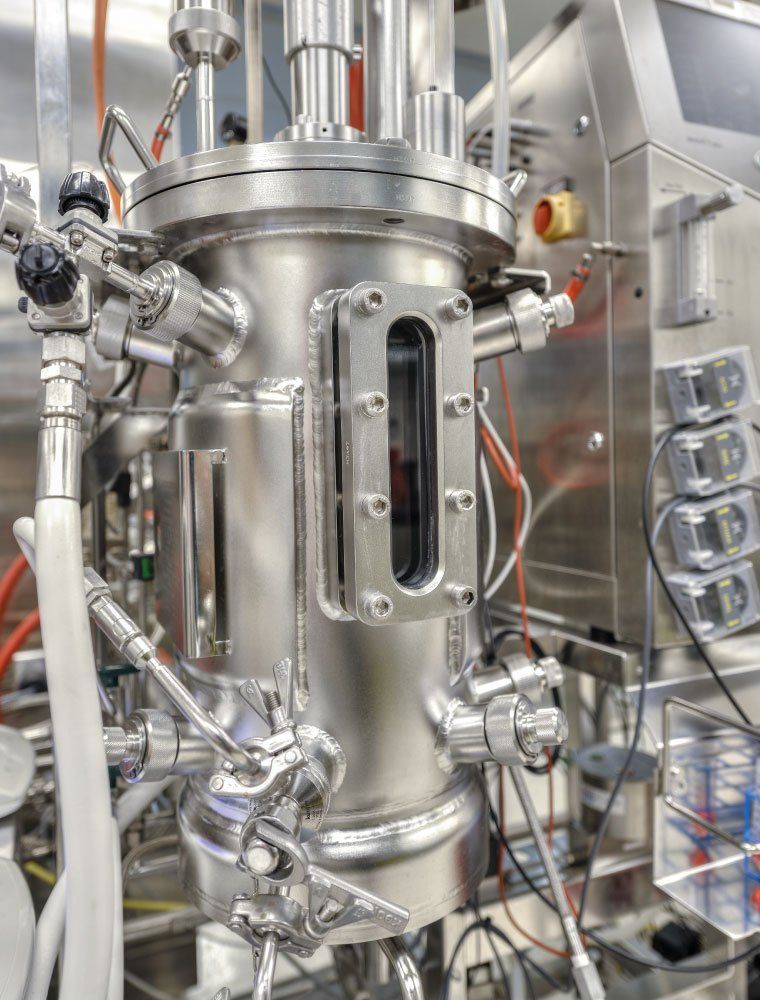
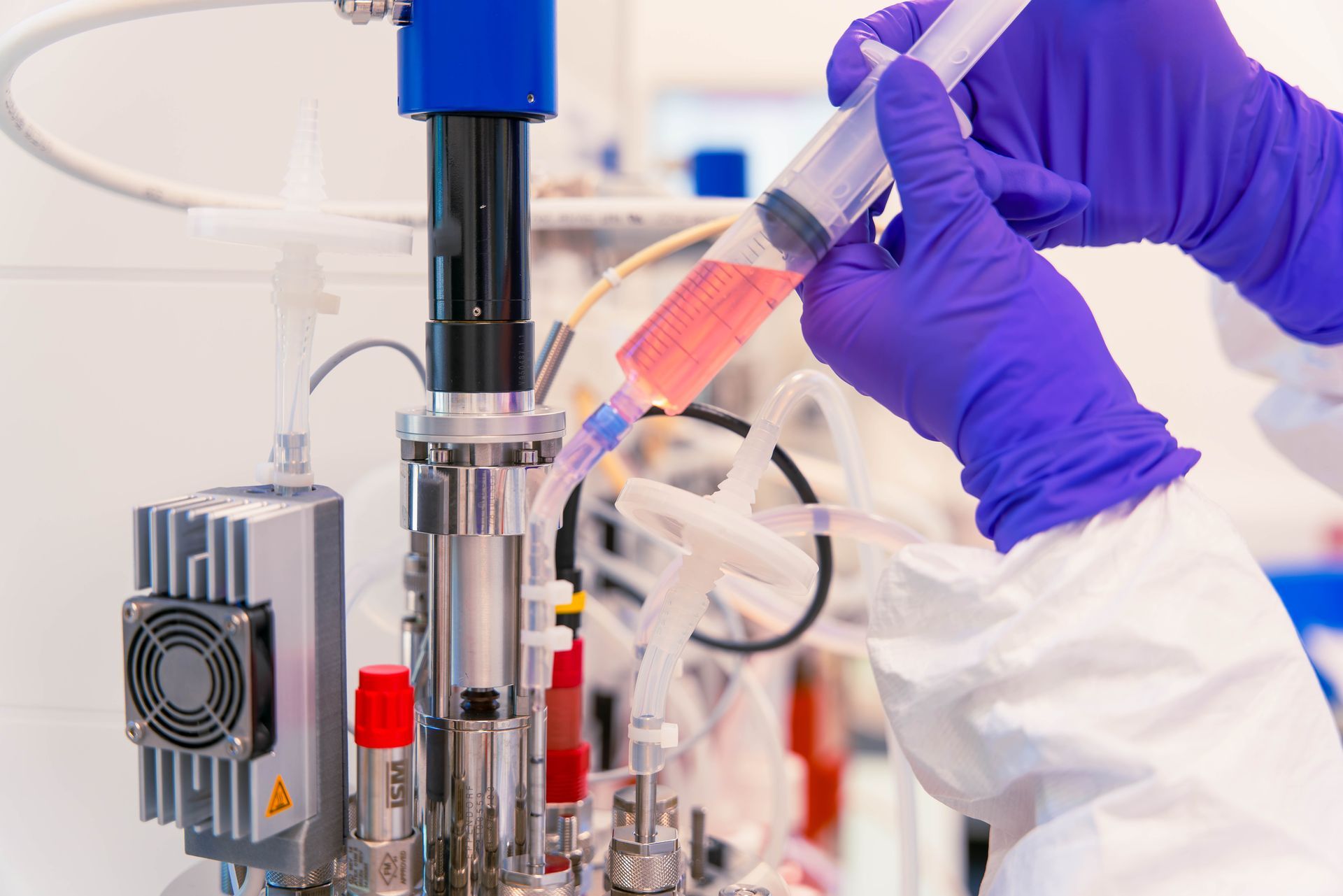
We develop your upstream process using industry leading pilot-scale fermenters and bioreactors. Our systems are interfaced for continuous monitoring, control and data acquisition of temperature, pH, agitation, airflow, pressure, dissolved oxygen, exhaust gas (O2/CO2) and nutrient feeds all in a GMP cleanroom environment where applicable.

Book an Appointment

Downstream Purification

Many see downstream purification as a mixture of art and craft, however, at Biodextris we make it science! We have extensive experience separating our clients’ target products from complex matrices by developing, assessing and optimizing a downstream purification strategy. With our expertise and equipment, we effectively isolate your product while preserving its identity, purity, potency and homogeneity. Our comprehensive analytical group work in tandem to ensure all these parameters are properly analyzed and documented.

We will lead you through phase-appropriate activities such as resin screening, chromatographic protocol development, protein compatibility studies, accelerated stability studies, process robustness and pre-formulation testing leading to a comprehensive downstream package ready for manufacturing.

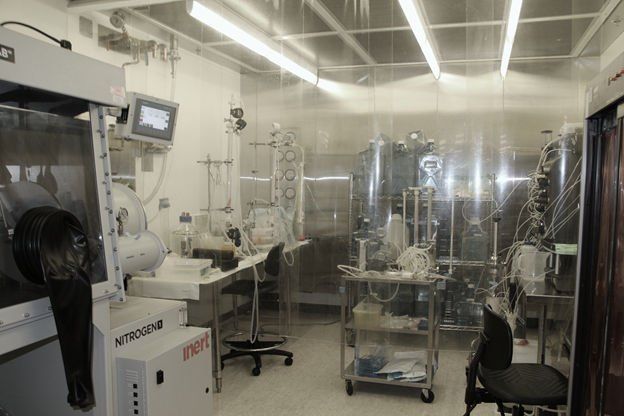
We use industry leading AKTA Avant and Pilot systems for performance of various chromatography methods including ion exchange, hydrophobic interaction, reverse phase and size exclusion chromatography as well as tangential flow filtration and sterile filtration.
Book an Appointment

Process Transfer

At Biodextris, we can supply material for early stage clinical trials, but with a client’s success come larger scale needs. Our team is well equipped to transfer your production process to a large-scale partner cGMP facility. We have extensive experience with small and medium sized biotechnology companies, large pharmaceutical and large vaccine manufacturers, government organizations and CMOs. Biodextris is truly an international organization having a well-versed multicultural team and clients across Canada, USA and Europe and Asia.


Our expertise helps our clients contain costs, manage risk and maintain key process knowledge. We employ a systematic approach to process transfer that includes the following:

  • Control scale-related process variations
  • Control equipment related variations
  • Management and execution of transfer lots
  • Comprehensive training
  • Knowledge management.
Book an Appointment

Your Health And Safety Is Important To Us

Get in Touch With Us

Drop us a Message

Please feel welcome to contact our friendly reception staff with any enquiry. We will answer to you shortly!

Development Service - Contact Us

Recent Articles

Tips, News and Updates

September 28, 2026
Un leader chevronné du secteur des sciences de la vie se joint à une CDMO établie à Laval pour mener sa prochaine phase de croissance.
September 28, 2026
Seasoned life sciences leader joins Laval-based CDMO to drive next phase of growth
September 22, 2026
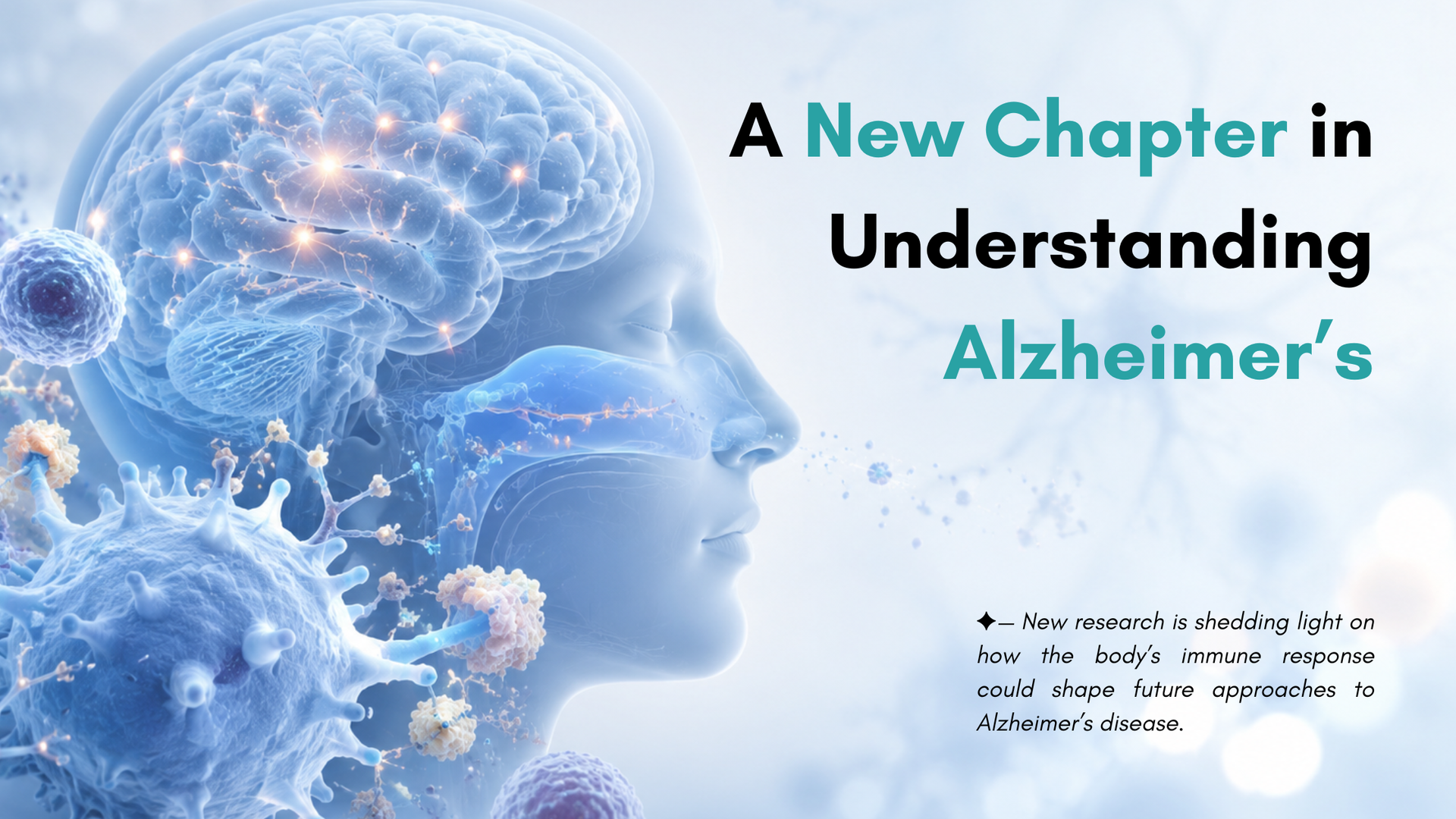
For many years, Alzheimer’s disease has posed a significant challenge to some of the brightest minds in the medical field. Even with remarkable strides in our understanding of the condition, creating therapies that can truly change its trajectory remains extremely difficult. However, a growing wave of research is starting to explore new possibilities, some of which are looking beyond the brain and turning to an unexpected partner: the immune system. Biodextris brought its flexible approach to working with biopharma companies in order to support the development and manufacturing of the bulk drug substance and following the stability of the drug product used in a recent Phase I clinical study, published recently in npj Aging , which provides a fascinating example. In this study, researchers looked at Protollin , a nasal immunomodulatory adjuvant, involving 16 individuals diagnosed with early Alzheimer’s disease. The study was randomized, double-blind, and dose-escalating, primarily aimed at assessing safety while also investigating how the treatment influenced immune activity. Participants received Protollin intranasally in doses ranging from 0.1 mg to 1.5 mg, with two treatments administered over a two-week span. The researchers noted that the treatment was generally well tolerated, with only minimal side effects reported. What really caught their attention, though, was the activity happening within the immune system, which made the findings particularly interesting. Looking at Alzheimer’s Through the Immune System Alzheimer’s disease is marked by a gradual decline in cognitive abilities and notable changes in the brain, such as the buildup of amyloid-beta plaques and tau tangles. Traditionally, much of the focus in developing treatments has been on these brain changes and the proteins linked to the disease. However, there’s a growing interest among researchers in how Alzheimer’s interacts with the immune system. One intriguing area of study looks at monocytes, which are immune cells that travel through the bloodstream and can clear out unwanted materials through a process called phagocytosis. In a Phase 1 study, researchers found that before treatment, blood monocytes from Alzheimer’s participants had lower activity in genes related to phagocytosis and displayed a more inflammatory profile. After administering Protollin through the nose, researchers noticed some significant changes. Starting with a 1.0 mg dose, the treatment triggered what the investigators referred to as a strong phagocytic gene signature, which included heightened expression of genes that play a role in immune-cell function. Additionally, they saw a reduction in activation and cytotoxicity among CD8+ T cells, which are another part of the immune response. In simpler terms, these findings indicate that Protollin has the potential to modify certain aspects of immune activity outside the brain, and researchers believe this is worth exploring further. Why These Findings Matter The concept behind this approach is intriguing: instead of targeting amyloid directly with a traditional drug, could we harness the body’s own immune system to help clear it out? Previous experimental studies have already hinted at this possibility. In a mouse model of Alzheimer’s treated with nasal Protollin, researchers noticed a similar phagocytic activity in monocytes that were entering the brain and playing a role in clearing amyloid. The Phase 1 study serves as a crucial link between those earlier findings and what researchers are now observing in humans. However, it’s important to note that this doesn’t mean Protollin has been proven to treat Alzheimer’s disease. Phase 1 studies are preliminary, and this particular trial included just 16 participants over a brief treatment period. Its main goal was to evaluate safety and biological effects, not to determine if Protollin can slow cognitive decline or offer any clinical benefits. That distinction is vital. What these results do offer is a solid scientific basis for continuing the research. Moving from Phase 1 to the Next Question Building on these findings, the researchers have proposed a Phase 2 study in which a longer dosing regimen will be studied in participants with Alzheimer’s disease. The aim is to dig deeper into whether tweaking peripheral immunity can help clear amyloid from the brain. This next phase highlights a key aspect of drug development: each clinical stage answers specific questions while laying the groundwork for what comes next. Promising biological insights need to be reproducible, and innovative treatment strategies must be transformed into viable products for clinical trials. Alongside the science, manufacturing processes, analytical techniques, quality systems, and regulatory standards all need to advance. Specifically for complex biologics and immunotherapies, the path from a groundbreaking scientific idea to a clinical-stage program can be just as tough as the initial discovery itself. What If Progress Against Alzheimer’s Starts With Understanding It? Innovation isn't just about a single groundbreaking moment; it's a whole ecosystem at work. Studies like this one remind us that medical advancements come from a collaborative effort. Researchers dive into new biological mechanisms, while biotech companies take those findings and turn them into therapeutic strategies. Clinical teams then put these strategies to the test with patients, and regulatory authorities step in to evaluate the evidence. Meanwhile, specialized development and manufacturing organizations play a crucial role in transforming complex biological products from lab concepts into reliable clinical materials. The insights surrounding Protollin are still in their early stages, and there are plenty of questions left to explore. But that's exactly what makes research like this so exciting to follow. The next big leap in Alzheimer’s treatment might not come from just one scientific breakthrough, but rather from our enhanced understanding of the intricate relationship between the brain, the immune system, and the biology that links them together. Original research : Kolypetri P., da Silva P., Francisco R.S. et al. Nasal administration of Protollin enhances monocyte phagocytosis and decreases CD8+ T cell cytotoxicity in subjects with early Alzheimer’s disease: a Phase 1 clinical trial. npj Aging , 2026.

FAQs

Got a question? We’re here to help.

  • Where is your main office?

    The office is located in Laval