Biodextris

Why is process development such a lengthy activity?

The Website Store • March 18, 2022

Why is Process Development such a lengthy activity?

Process development is a critical and lengthy activity, which holds a key place within discovery, development and manufacturing phases.


Many clients reckon drug discovery is the lengthiest considering its pivotal and demanding aspects: they indeed go through a gruelling process to find their target molecule and then the next challenge is to get a genetically modified organism to express (produce) the molecule in some appreciable amount, also ensuring generations of cells continue this expression. This part of the drug discovery process typically takes the longest time and often resides in academic organizations and Contract Research Organizations (CROs).


A popular misconception is that the next steps of process development, analytical development and preclinical manufacturing is a predictable and rapid process, however, this is not the case. Process Development remains a lengthy activity at both Upstream and Downstream steps, and here are a few reasons why.

Upstream Process Development considerations

For the first step of development, before any Upstream Process development (USP development) is even commenced, the structure and function of the molecule (most typically protein based) must be considered. USP conditions will need to be conducive to get the cells to produce their required target molecule, but there has to be assurances that where the molecule is produced won’t be affected negatively by its environment.


In the early development process, it would likely be well known where the target molecule resides, either inside the cell, in the membrane, inside inclusion bodies or expressed outside the cell. This information coupled with structure and functional details will dictate both growth and harvest parameters. Failure to properly address these factors will potentially result in aggregation or undesired modifications along the way of Upstream Processing, which could make Downstream Processing (DSP) impossible or alternatively render the target molecule inactive or with a reduced potency.


For the reasons above, there is a careful process of selecting proper growth mediums, agitation methods, key temperature controls and the right blend of required gasses. Couple these with timing and induction methods (techniques and products used to trigger cells into production), there are a great deal of variables to orchestrate to get your optimal expression, resulting in long periods of time where Upstream Process Development has to be perfected.

Downstream Process Development considerations

On the Downstream Process Development side, the team needs to prepare based on factors mentioned above and ensure that the process follows a logical flow and amenable conditions to ensure the maintenance of the critical quality attributes of the protein of interest. The removal of process and host cell -related impurities and the scalability of the developed process must also be considered. Standard DSP development phases include multiple chromatography steps, viral clearance steps, tangential flow filtration and a final sterile filtration step. Centrifugation and dialysis are generally avoided as they are not scalable and cannot support CMC requirements for Phase III and beyond. Various chromatography techniques and resins per technique exists and a high throughput screening is required to select the optimal combination of resins and chromatography conditions. Viral clearance inactivation and filtration are also a core in the purification process of a recombinant protein.


As the use of detergent and solvents are commonly used for the inactivation and use of additives are used for the filtration, one should consider the impact of this process step on the analytical method panel as any additional reagent used during the process should be tested for its residuals.

Top experts to help you anticipate lengthy development steps and reduce timeline

Biodextris, an experienced CDMO with extensive GMP track-record, has helped dozens of sponsors achieve their process development targets through reliable steps and proven processes leading to facilitated biomanufacturing phases.


Our top experts at Biodextris have worked on dozens of biological products and have used this experience to streamline the lengthy steps of Process Development by anticipating potential bottlenecks and typical issues.


Please reach out to our team to discuss process development specifications and start optimizing your general timeline!

Biodextris - Bringing Innovation to Life

With Biodextris, your project is overseen by dedicated project managers with extensive hands-on experience, saving you time and enhancing your experience.


Learn more about us ➜

Leave A Comment

Search

Recent Posts
September 22, 2026
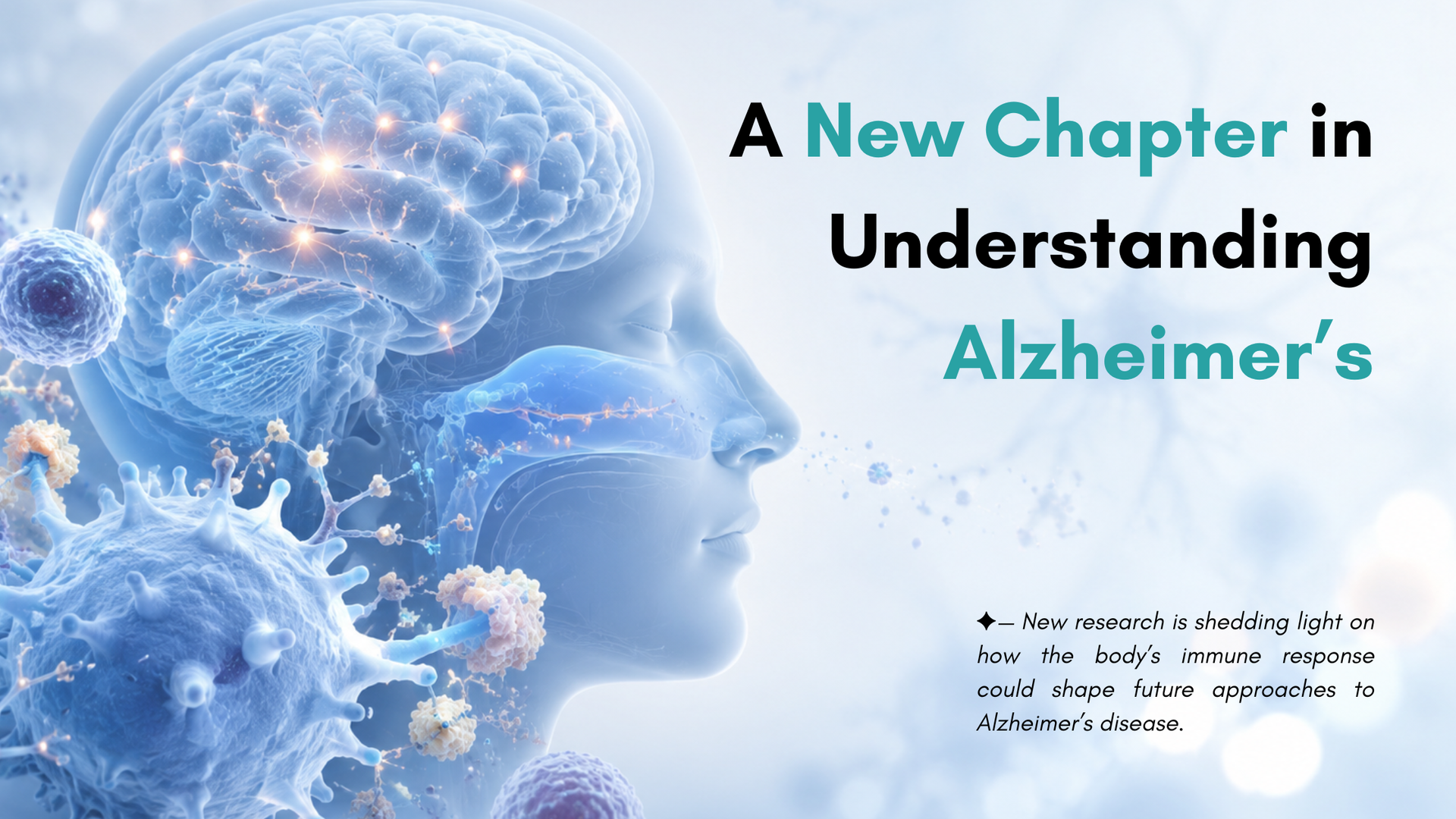
For many years, Alzheimer’s disease has posed a significant challenge to some of the brightest minds in the medical field. Even with remarkable strides in our understanding of the condition, creating therapies that can truly change its trajectory remains extremely difficult. However, a growing wave of research is starting to explore new possibilities, some of which are looking beyond the brain and turning to an unexpected partner: the immune system. Biodextris brought its flexible approach to working with biopharma companies in order to support the development and manufacturing of the bulk drug substance and following the stability of the drug product used in a recent Phase I clinical study, published recently in npj Aging , which provides a fascinating example. In this study, researchers looked at Protollin , a nasal immunomodulatory adjuvant, involving 16 individuals diagnosed with early Alzheimer’s disease. The study was randomized, double-blind, and dose-escalating, primarily aimed at assessing safety while also investigating how the treatment influenced immune activity. Participants received Protollin intranasally in doses ranging from 0.1 mg to 1.5 mg, with two treatments administered over a two-week span. The researchers noted that the treatment was generally well tolerated, with only minimal side effects reported. What really caught their attention, though, was the activity happening within the immune system, which made the findings particularly interesting. Looking at Alzheimer’s Through the Immune System Alzheimer’s disease is marked by a gradual decline in cognitive abilities and notable changes in the brain, such as the buildup of amyloid-beta plaques and tau tangles. Traditionally, much of the focus in developing treatments has been on these brain changes and the proteins linked to the disease. However, there’s a growing interest among researchers in how Alzheimer’s interacts with the immune system. One intriguing area of study looks at monocytes, which are immune cells that travel through the bloodstream and can clear out unwanted materials through a process called phagocytosis. In a Phase 1 study, researchers found that before treatment, blood monocytes from Alzheimer’s participants had lower activity in genes related to phagocytosis and displayed a more inflammatory profile. After administering Protollin through the nose, researchers noticed some significant changes. Starting with a 1.0 mg dose, the treatment triggered what the investigators referred to as a strong phagocytic gene signature, which included heightened expression of genes that play a role in immune-cell function. Additionally, they saw a reduction in activation and cytotoxicity among CD8+ T cells, which are another part of the immune response. In simpler terms, these findings indicate that Protollin has the potential to modify certain aspects of immune activity outside the brain, and researchers believe this is worth exploring further. Why These Findings Matter The concept behind this approach is intriguing: instead of targeting amyloid directly with a traditional drug, could we harness the body’s own immune system to help clear it out? Previous experimental studies have already hinted at this possibility. In a mouse model of Alzheimer’s treated with nasal Protollin, researchers noticed a similar phagocytic activity in monocytes that were entering the brain and playing a role in clearing amyloid. The Phase 1 study serves as a crucial link between those earlier findings and what researchers are now observing in humans. However, it’s important to note that this doesn’t mean Protollin has been proven to treat Alzheimer’s disease. Phase 1 studies are preliminary, and this particular trial included just 16 participants over a brief treatment period. Its main goal was to evaluate safety and biological effects, not to determine if Protollin can slow cognitive decline or offer any clinical benefits. That distinction is vital. What these results do offer is a solid scientific basis for continuing the research. Moving from Phase 1 to the Next Question Building on these findings, the researchers have proposed a Phase 2 study where participants with Alzheimer’s will receive 1.0 mg of nasal Protollin each week for six months. The aim is to dig deeper into whether tweaking peripheral immunity can help clear amyloid from the brain. This next phase highlights a key aspect of drug development: each clinical stage answers specific questions while laying the groundwork for what comes next. Promising biological insights need to be reproducible, and innovative treatment strategies must be transformed into viable products for clinical trials. Alongside the science, manufacturing processes, analytical techniques, quality systems, and regulatory standards all need to advance. Specifically for complex biologics and immunotherapies, the path from a groundbreaking scientific idea to a clinical-stage program can be just as tough as the initial discovery itself. What If Progress Against Alzheimer’s Starts With Understanding It? Innovation isn't just about a single groundbreaking moment; it's a whole ecosystem at work. Studies like this one remind us that medical advancements come from a collaborative effort. Researchers dive into new biological mechanisms, while biotech companies take those findings and turn them into therapeutic strategies. Clinical teams then put these strategies to the test with patients, and regulatory authorities step in to evaluate the evidence. Meanwhile, specialized development and manufacturing organizations play a crucial role in transforming complex biological products from lab concepts into reliable clinical materials. The insights surrounding Protollin are still in their early stages, and there are plenty of questions left to explore. But that's exactly what makes research like this so exciting to follow. The next big leap in Alzheimer’s treatment might not come from just one scientific breakthrough, but rather from our enhanced understanding of the intricate relationship between the brain, the immune system, and the biology that links them together. Original research : Kolypetri P., da Silva P., Francisco R.S. et al. Nasal administration of Protollin enhances monocyte phagocytosis and decreases CD8+ T cell cytotoxicity in subjects with early Alzheimer’s disease: a Phase 1 clinical trial. npj Aging , 2026.
By Philippe Beland June 11, 2025
Biodextris Appoints Dr. Behzad Mahdavi as Executive Chairman & Chief Commercial Officer Who: Dr. Behzad Mahdavi, Ph.D., MBA, NACD.DC — a biopharma industry veteran with over 25 years of senior leadership experience in CDMO and CRO sectors, including roles at Lonza and Catalent. What: He has been appointed Executive Chairman and will additionally serve as Chief Commercial Officer at Biodextris. Why: Dr. Mahdavi will spearhead the company’s global commercial expansion, leveraging his expertise in commercial innovation and international market development About Biodextris: Headquartered in Laval (Montréal), Québec, Biodextris is a rising Contract Development & Manufacturing Organization (CDMO) specializing in biologics and vaccine development, rooted in the legacy of GSK’s biologics and supported by ArchiMed private equity. For full details, you can read the original PR Newswire article here: https://www.prnewswire.com/news-releases/biodextris-appoints-dr-behzad-mahdavi-as-executive-chairman-to-lead-global-commercial-expansion-302472664.html
By The Website Store December 17, 2024
Learn about the strategic partnership between Aramis Biotechnologies and Biodextris to advance vaccine and biologics development.
By The Website Store December 17, 2024
Clean Biologics acquires Biodextris—bringing together expertise in biologics manufacturing and accelerating growth in CDMO services.
Biodextris Inc. inaugure ses nouvelles installations en plein cœur de la Cité de la Biotech à Laval
By Philippe Beland October 9, 2024
Biodextris inaugure de nouvelles installations à Laval pour renforcer son expertise en développement biologique.
Biodextris Inc. inaugurates its new facilities in the heart of Laval's Biotech City
By Philippe Beland October 9, 2024
Biodextris inaugurates its new Laval facility in Biotech City, expanding its capabilities in biologics development and manufacturing.
More Posts

Share Posts